What Scares You? Phobia-Inspired Visual Storytelling
High-school students use reverse shading, composition, and mark-making to create visual narratives inspired by phobias.
28 September 2026
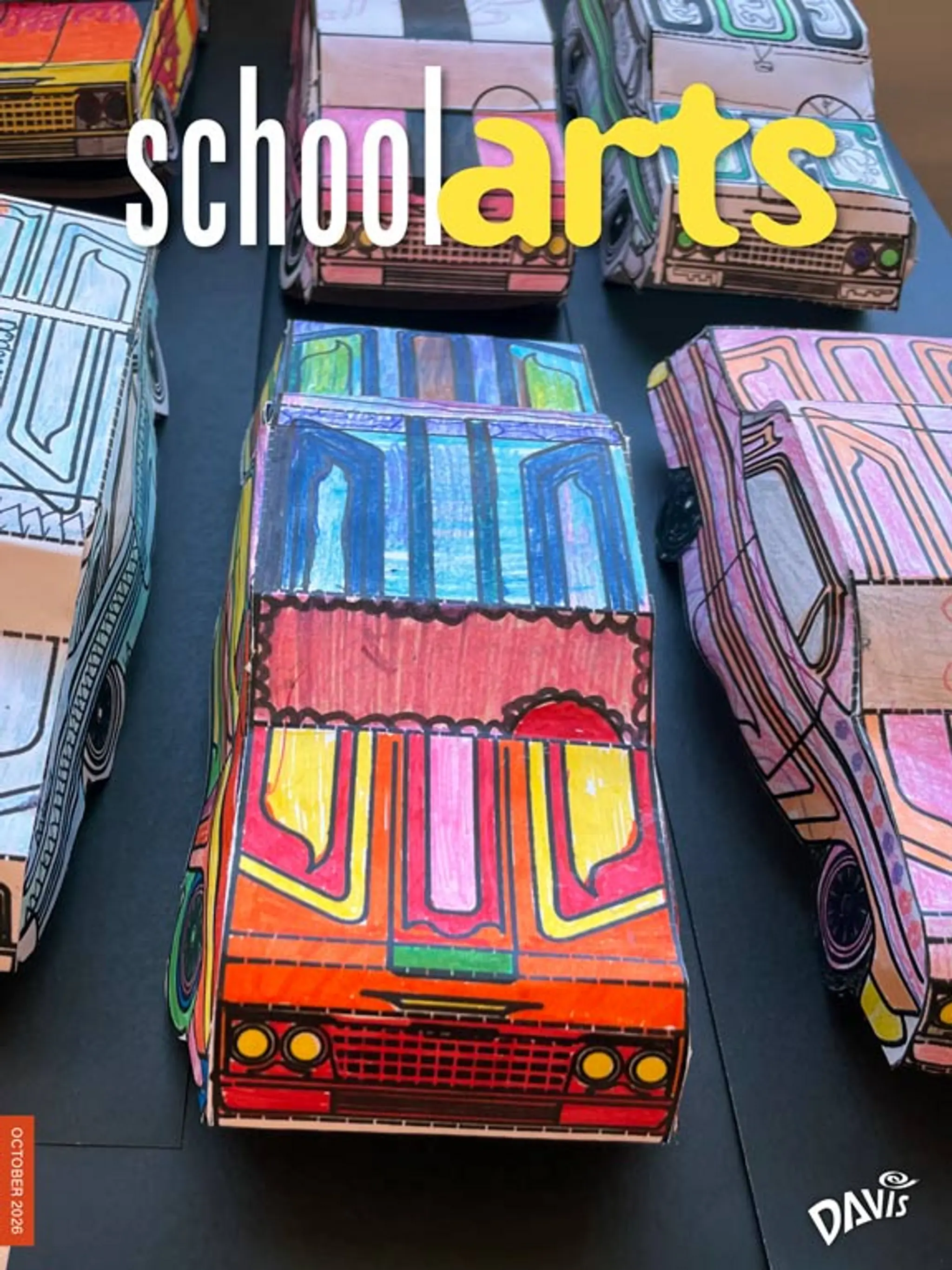
Art teachers use storytelling to build connections and deepen learning. Young students practice foundational art skills while drawing and painting a scene inspired by an Eric Carle classic; elementary students pull from ancient Egyptian hieroglyphs and contemporary art to create visual languages; middle school students navigate personal challenges through cartooning; and high school students celebrate their San Fernando community through personalized 3D lowrider cars.
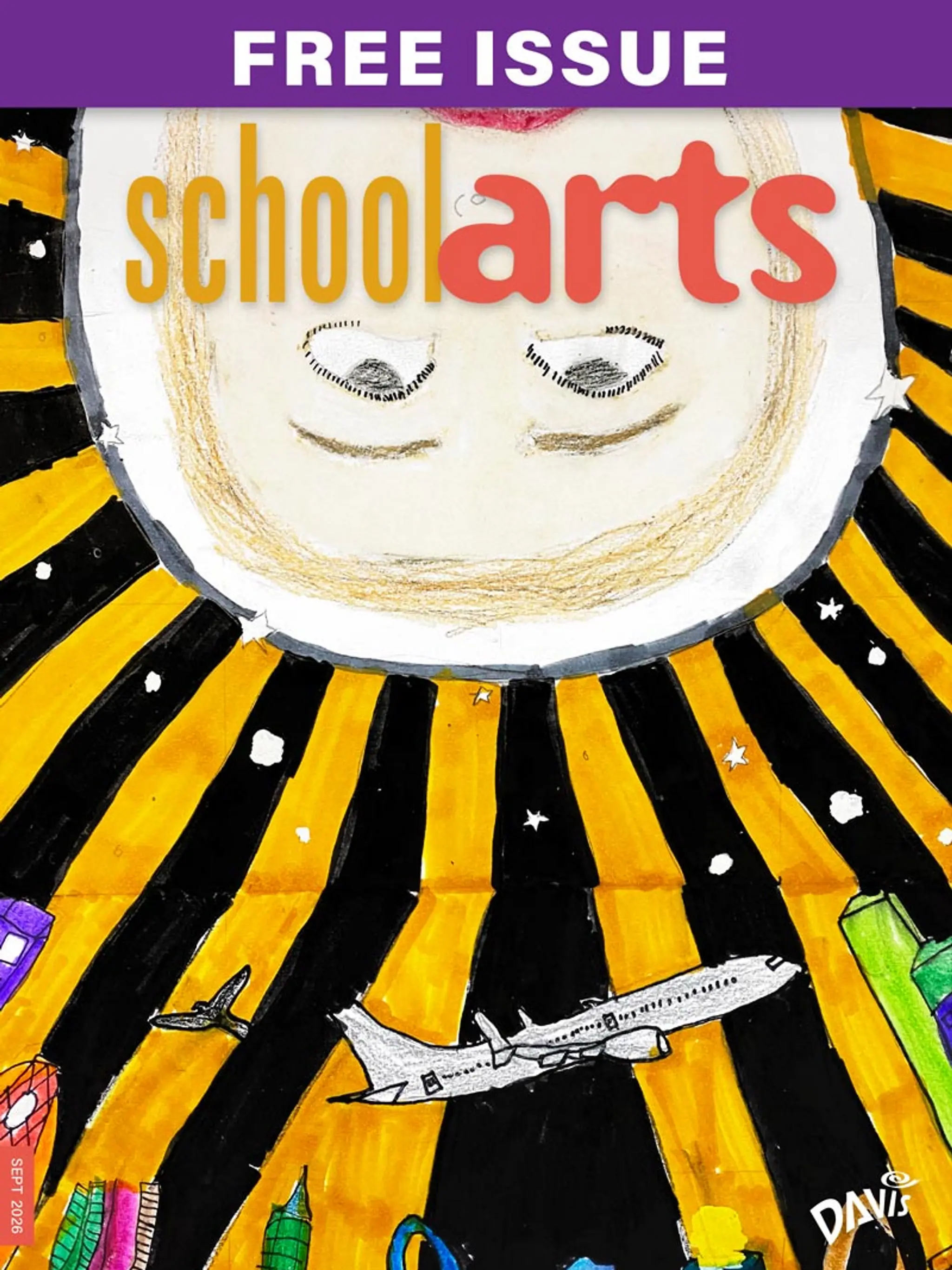
Art teachers get to know students while creating opportunities for connection and community. Early learners build foundational art-making skills as they share stories from their summer; elementary students put their own unique twist on famous artworks; middle-school students create artist trading cards in a project that grows into a schoolwide art-making experience; and high-school students sculpt clay vessels inspired by cherished family heirlooms.
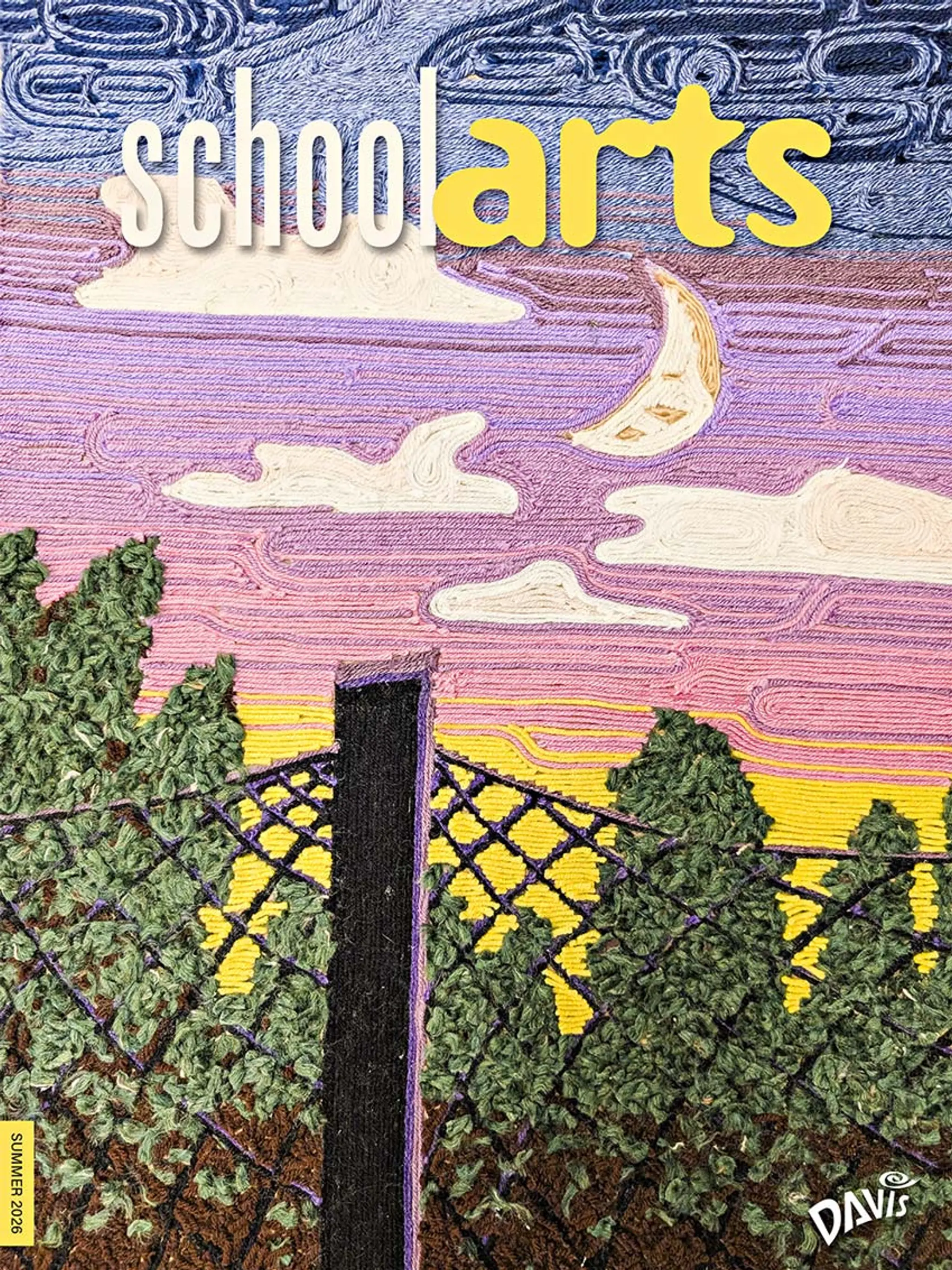
Art teachers and their students learn from, transform, and reimagine the places and spaces around them. Young students connect personal growth to changes in nature, elementary students create abstract faces inspired by Detroit artist Tyree Guyton, middle school students design fantastical digital gardens featuring insects and flora, and high school students use yarn to illustrate cherished childhood memories.

Art teachers highlight the power of collaboration, from foundational concepts and classroom practice to mural-making and community events. Young learners respond to music with abstract compositions, elementary artists build community through large-scale projects, middle-schoolers develop confidence in a teamwork-driven choice-based studio, and high-school students and staff collaborate in a community steamroller printmaking event.
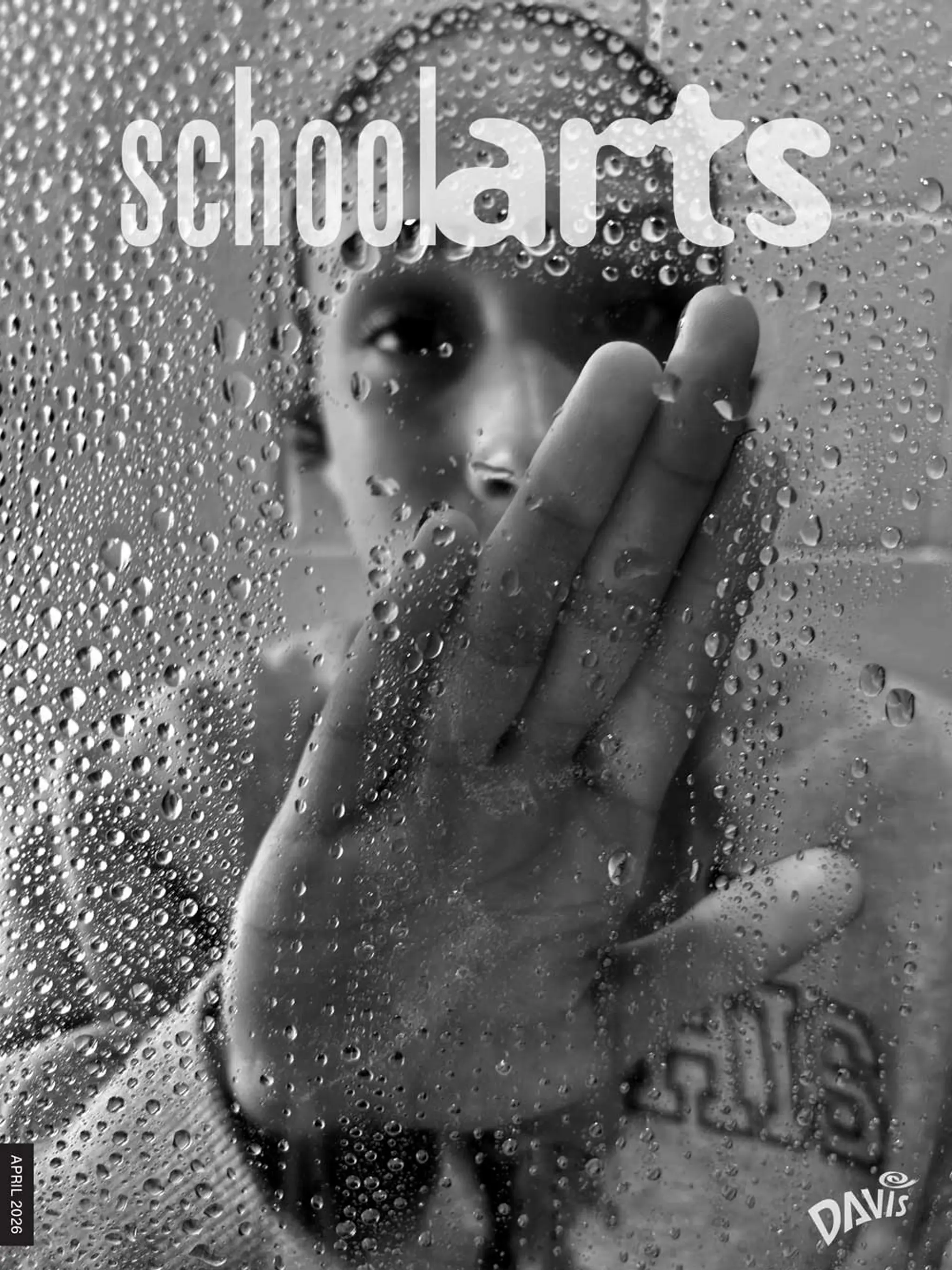
Art teachers advocate for their programs, their students, and themselves. Young students foster positivity and intergenerational connection through mandala displays, elementary students collaborate with a local artist to problem-solve and construct papier-mâché houses, middle-school students create illustrated dictionary pages to share with the community, high-school photography club students use their voices to advocate for a full class, and more.
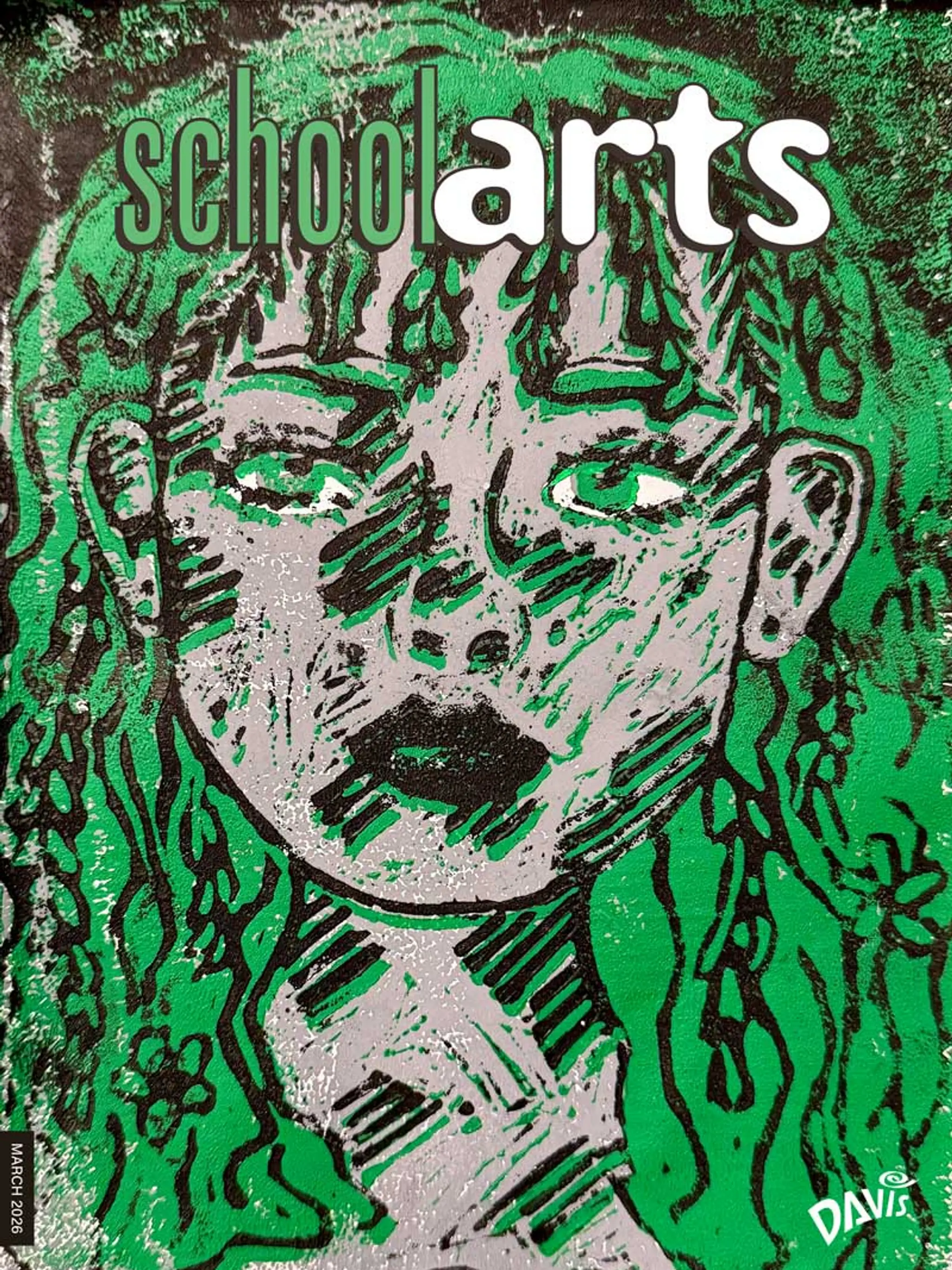
Art teachers integrate contemporary artists and themes into their curriculum, fostering collaboration, play, and imagination. Young students create a large-scale painting inspired by Mickalene Thomas, elementary students upcycle materials to build unique mini worlds in glass jars, middle-school students draw from personal experiences to create relief-printed interpretations of monsters, and high-school students transform traditional portraits into deconstructed compositions.
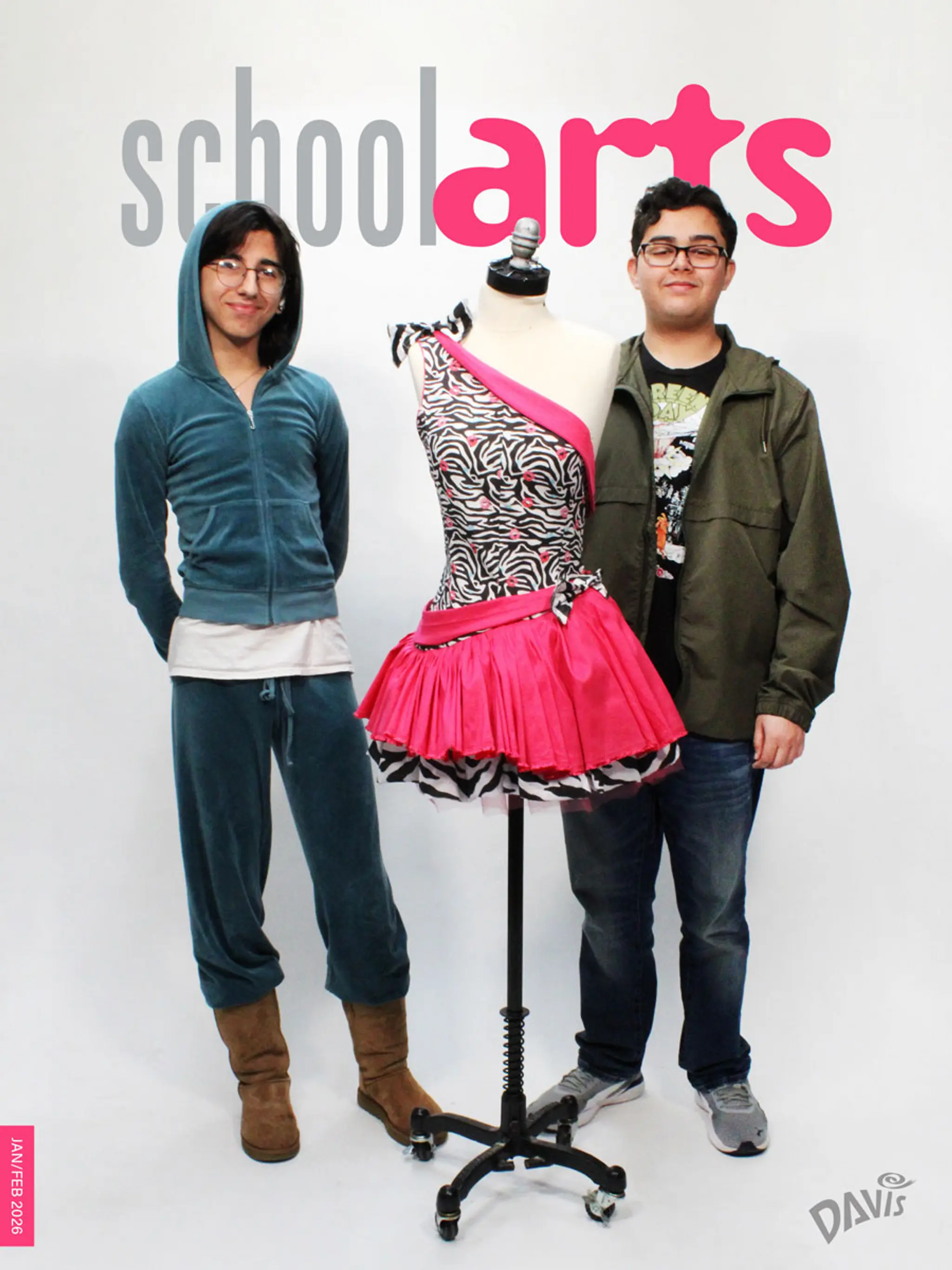
Art teachers integrate media arts to amplify student voice and foster connection. Young students build emotional literacy through stop-motion animations, elementary students use Adobe Express to create narrated stories expressing their perspectives on winter, middle-school art and STEM students collaborate on animated public service announcements, high-school Digital Design and Illustration students partner with Fashion Design students to develop custom garments, and more.
Art teachers support students in slowing down, enjoying the creative process, and grounding themselves in the present. Young learners apply self- and social-awareness skills as they depict emotions through portraiture, elementary students explore watercolor techniques without the pressure of perfection, middle-school students create mixed-media landscapes that connect art with Indigenous botany, high-school students engage in the meditative practice of knitting, and more.
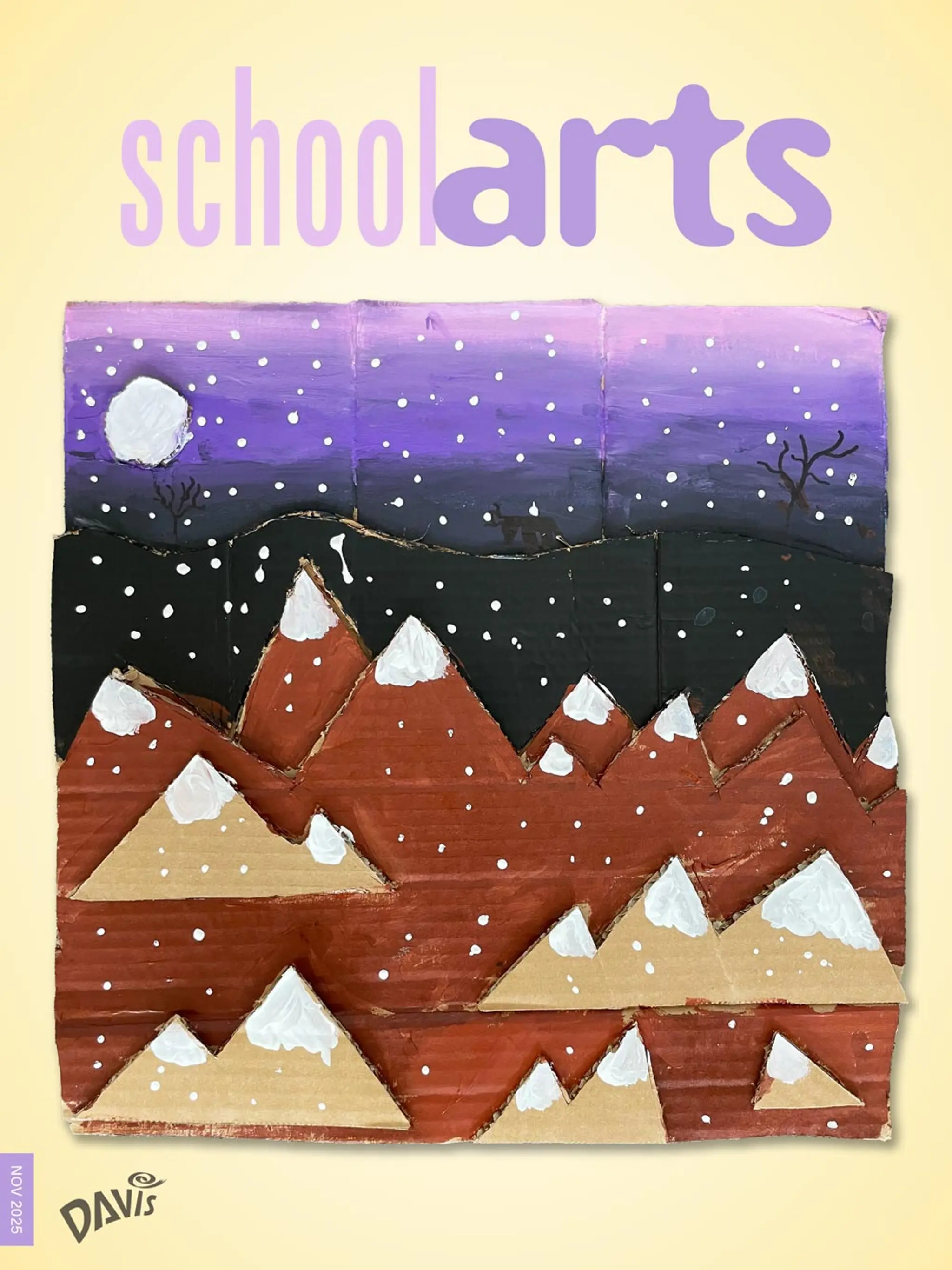
Art teachers explore the theme of transformation, guiding students to shift perspectives and reimagine materials as new works of art. Young students collaborate on a school-wide clay mosaic inspired by The Very Hungry Caterpillar, elementary students breathe new life into cardboard with landscape-inspired low-reliefs, middle-schoolers transform recycled materials into wearable art, high-school students turn disassembled machine parts into futuristic inventions, and more.
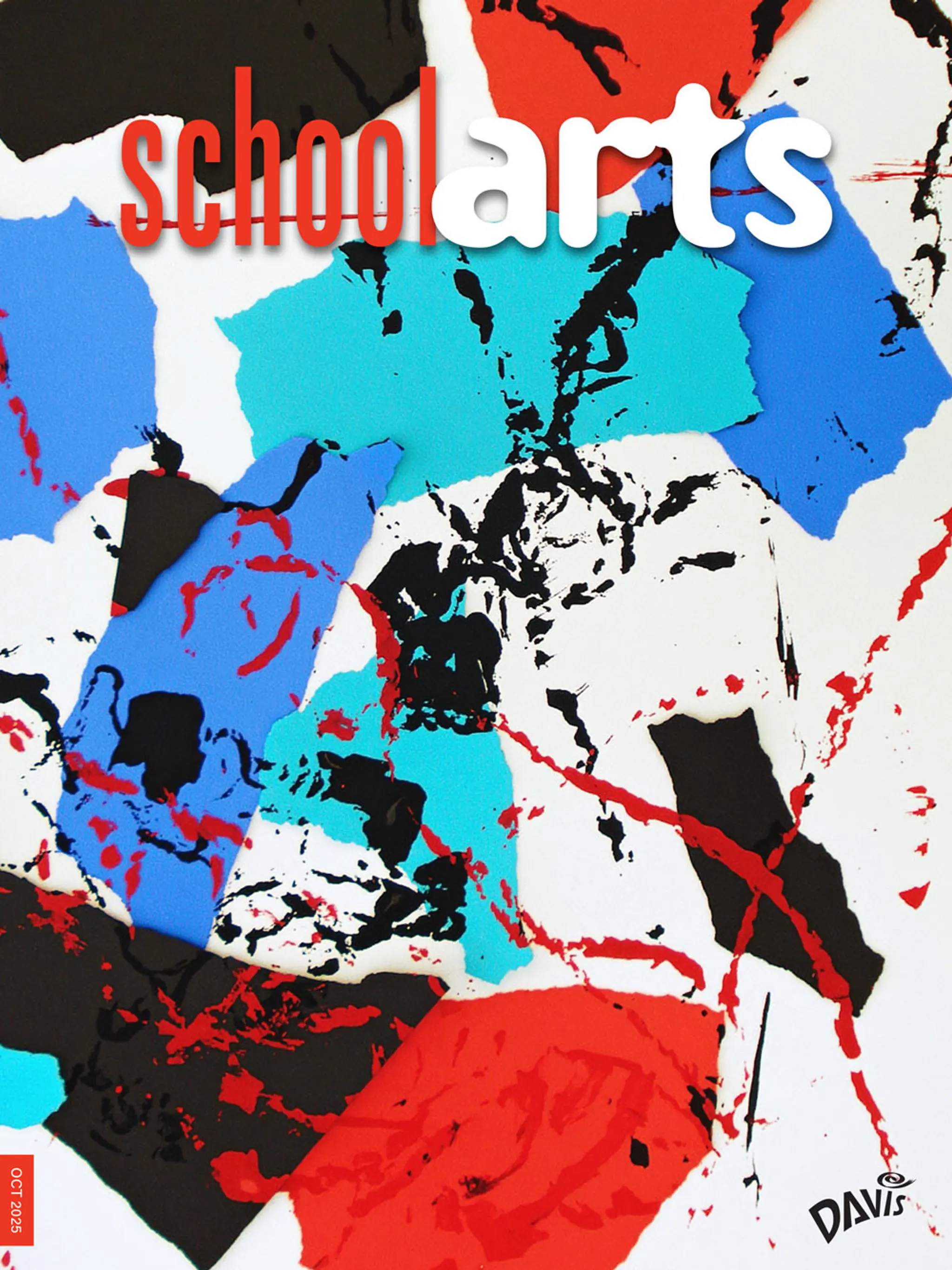
Art teachers foster student voice and choice, guiding them to be thoughtful artists and critical thinkers. Young students engage in a three-part insect-drawing unit that blends science and imagination. Elementary students design 3D miniature studios inspired by artist research. Middle-schoolers use mapping to craft conceptual self-portraits reflecting identity. High-schoolers study Naum Gabo’s Constructivist sculptures, then build original works tied to personal interests.
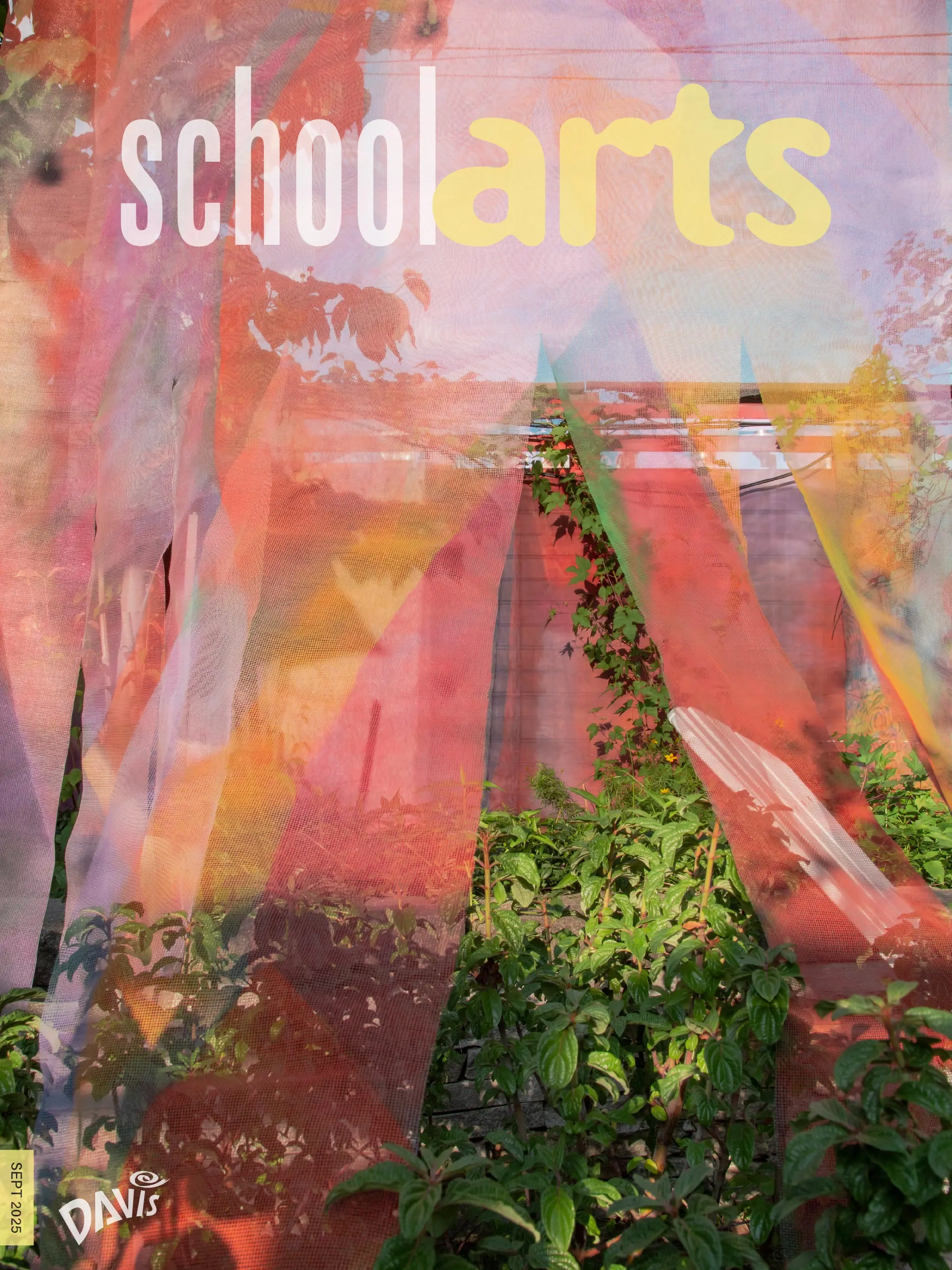
While teaching students about new artists, processes, and techniques, art teachers also prioritize building relationships and strong foundations. Young students transform the hallway bulletin board into a giant sheet music mural promoting kindness, elementary students develop fantastical illustrations, middle-school students embrace imperfections while making stained glass jewelry, high-school students work with limited materials to create balanced compositions, and more.
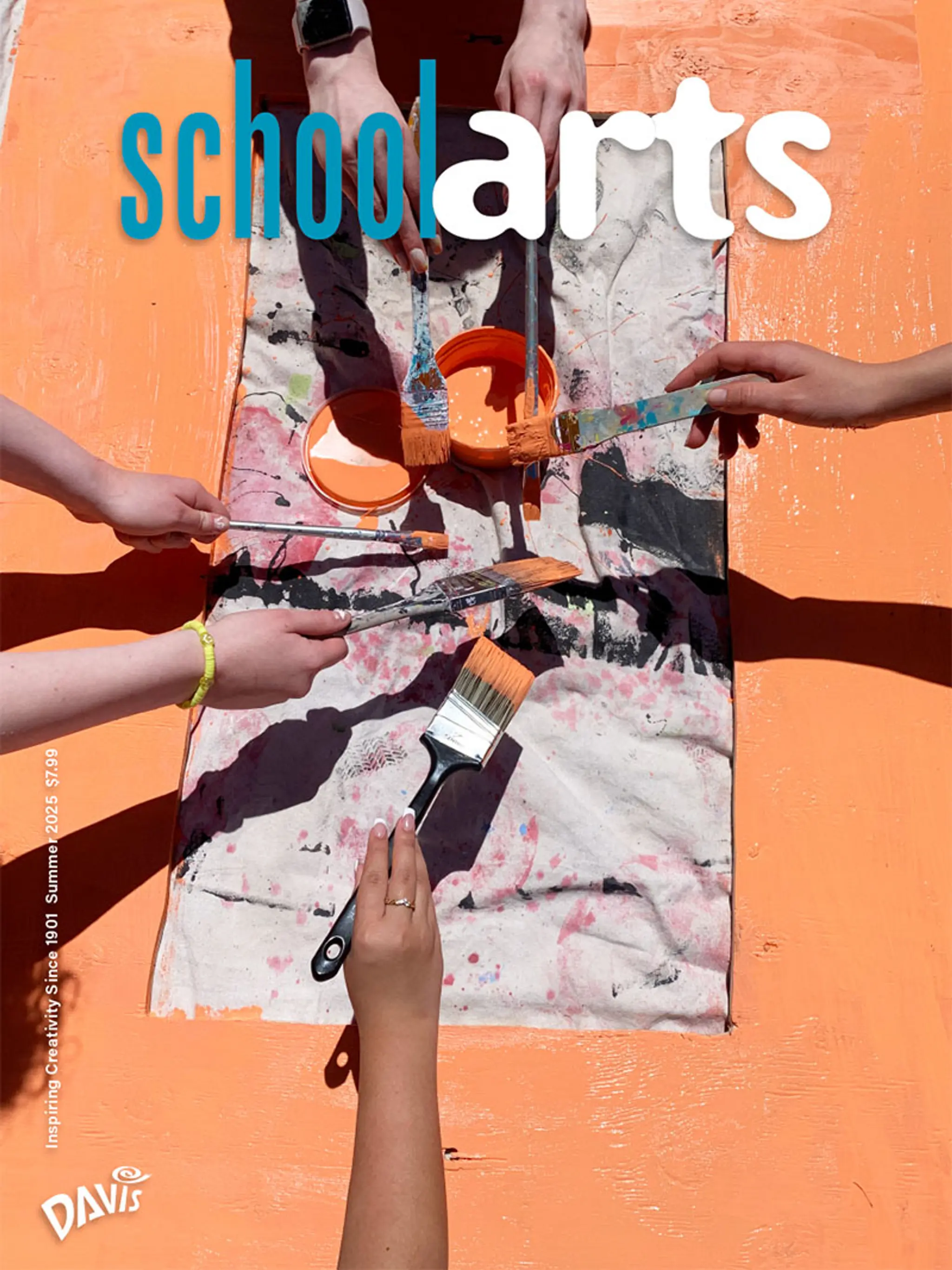
Art teachers share new and exciting art-making experiences in and outside the art room. Young students collaborate to paint a hanging cardboard butterfly installation, elementary students use everyday objects to create illuminating bookshelf dioramas, middle-school students use 3D-scanning technology to print lifelike portraits, high-school students address contemporary issues while creating in an outdoor classroom, and more.
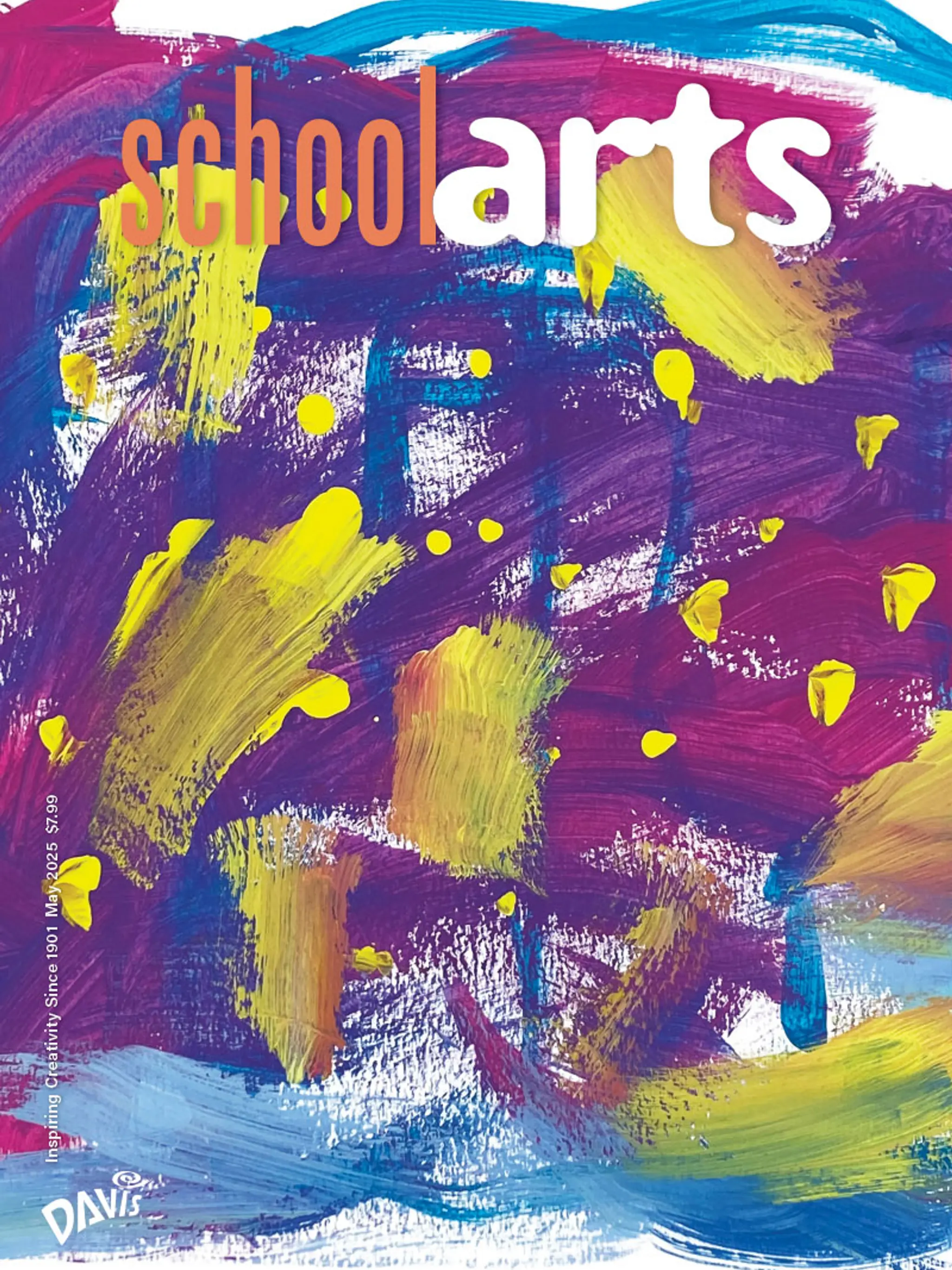
Art teachers use a process-based approach to engage students in art-making. Young students apply color-mixing to create vibrant watercolor paintings, elementary students are introduced to the unique process of paper quilling, middle-school students use critical thinking and ideation skills while drawing meaningful self-portraits, high-school students use fused glass techniques to create functional works of art, and more.
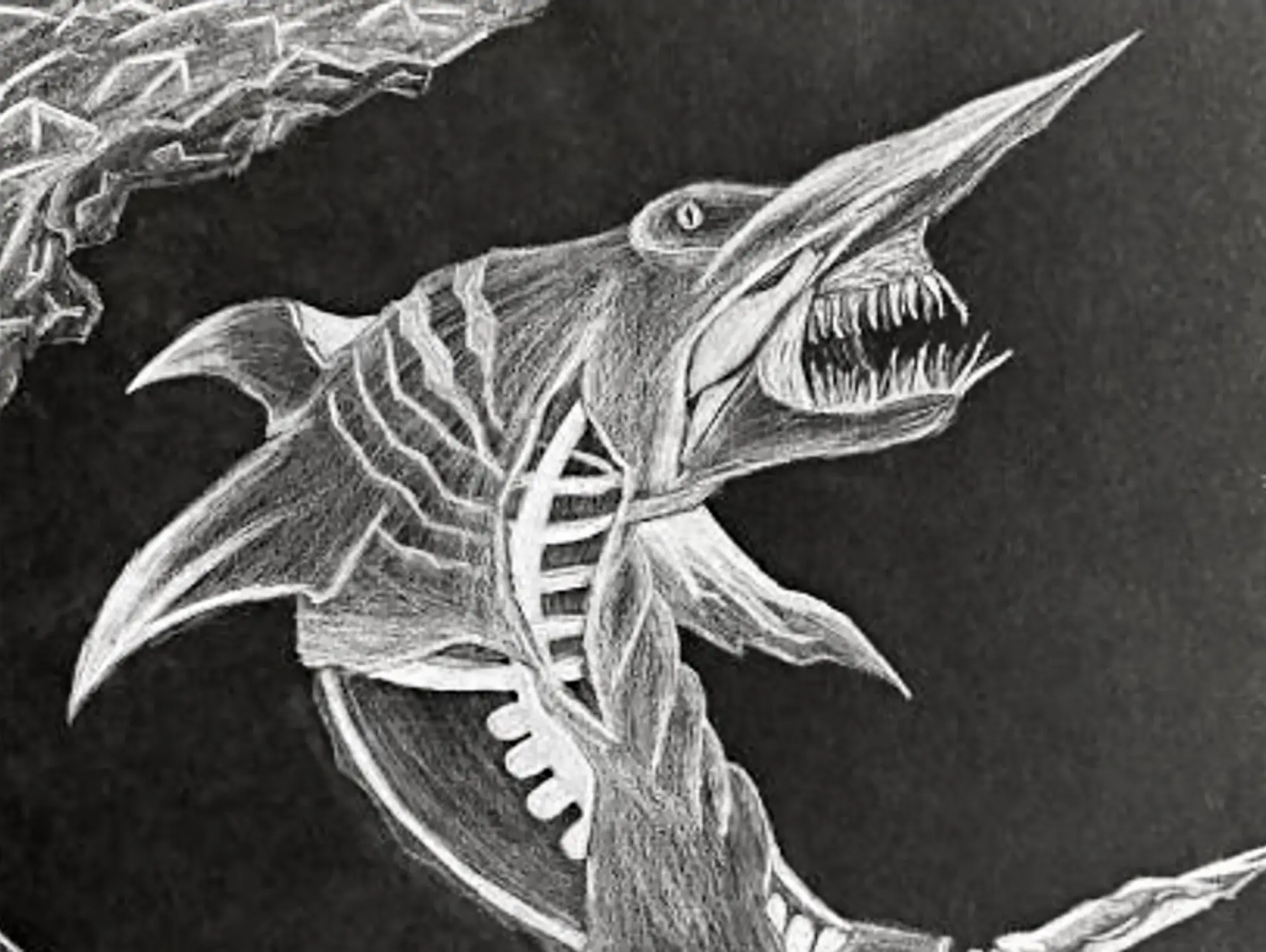
High-school students use reverse shading, composition, and mark-making to create visual narratives inspired by phobias.
28 September 2026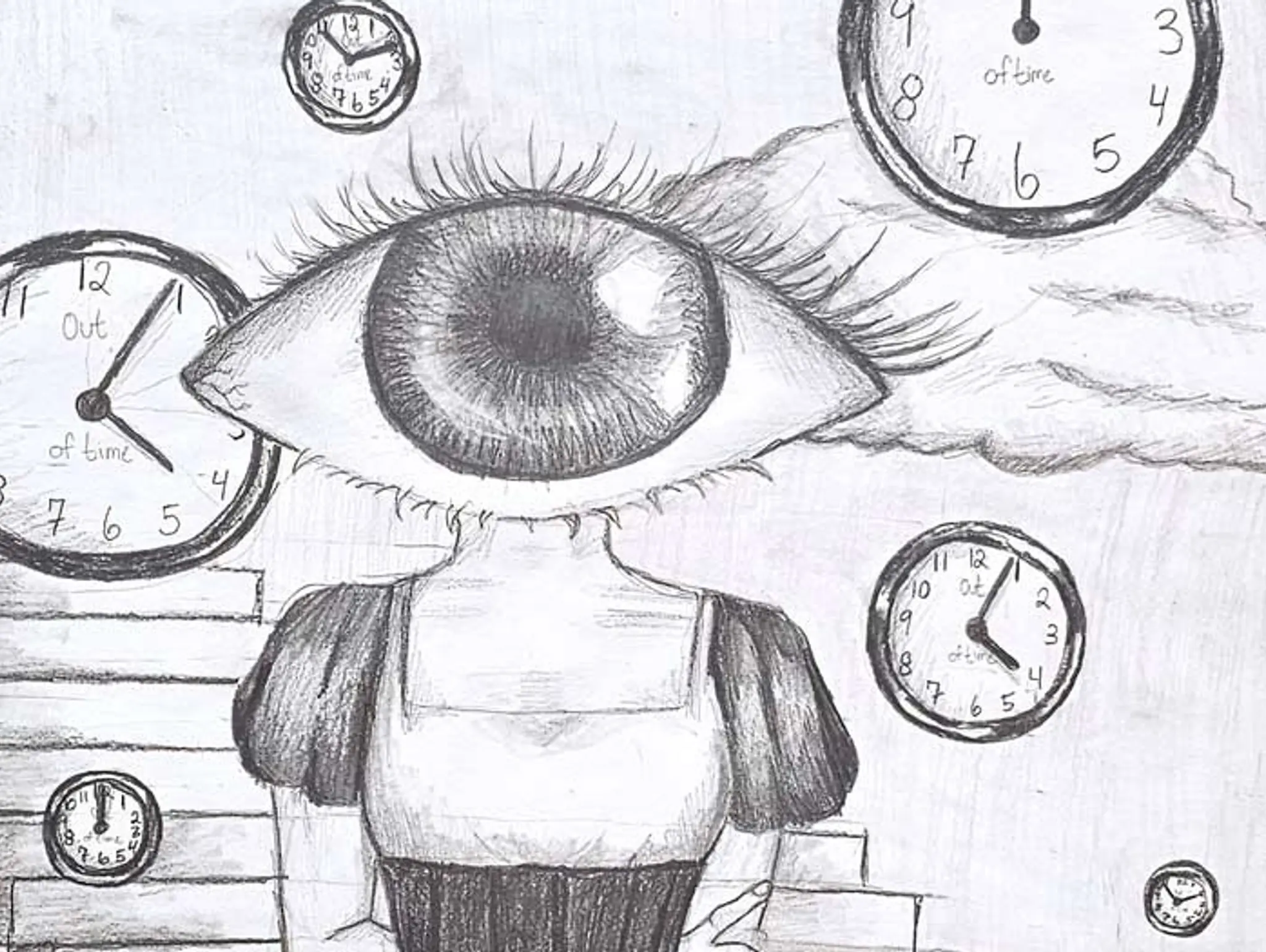
An art teacher draws from her own experiences and classroom practices to help students explore their identities and personal stories through art.
28 September 2026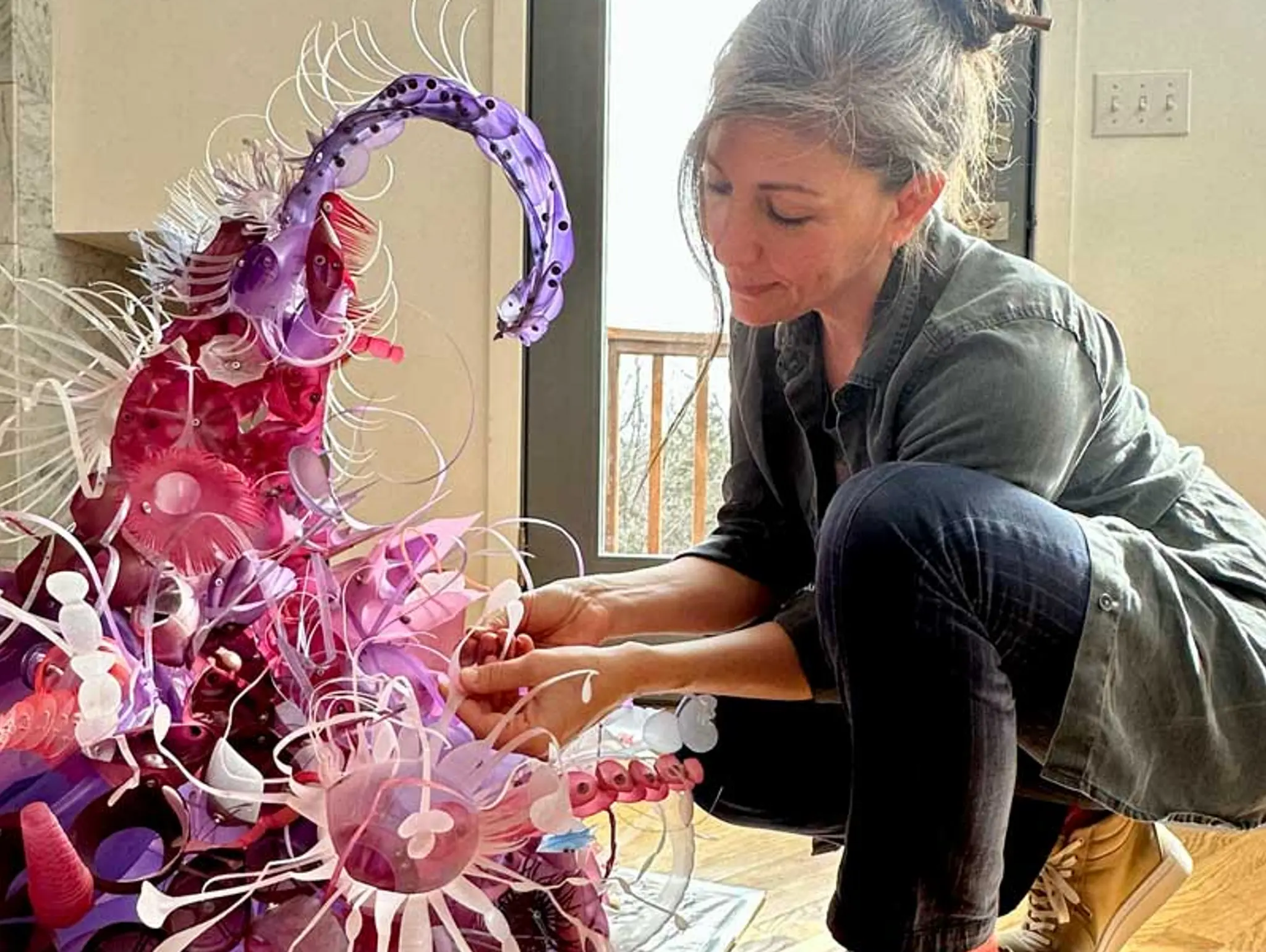
Environmental artist Aurora Robson creates sculptures and installations that encourage viewers to reconsider plastic as an artistic material while raising awareness about plastic waste.
28 September 2026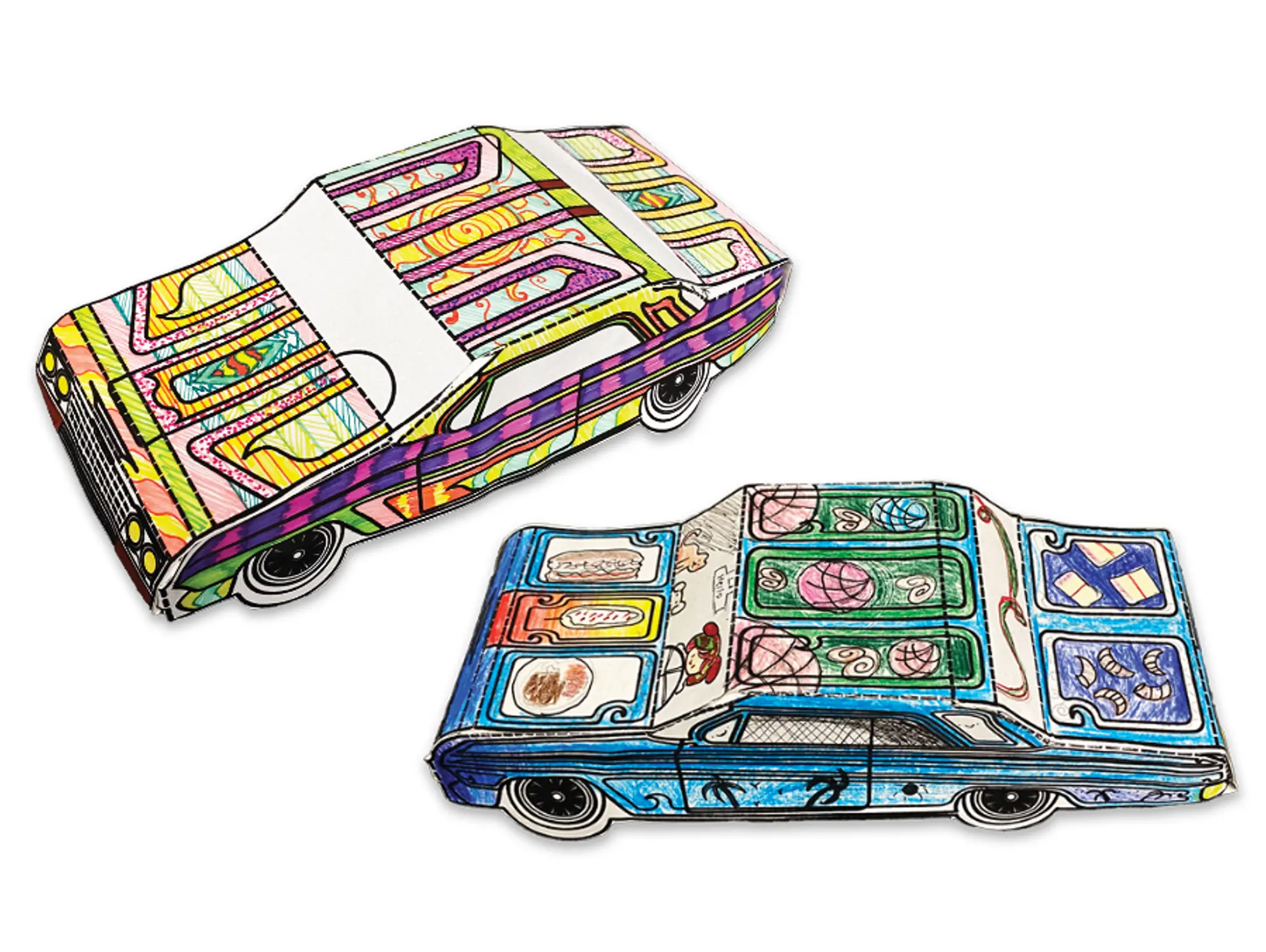
High-school students explore their cultural identities and celebrate the San Fernando community through personalized 3D lowrider cars.
28 September 2026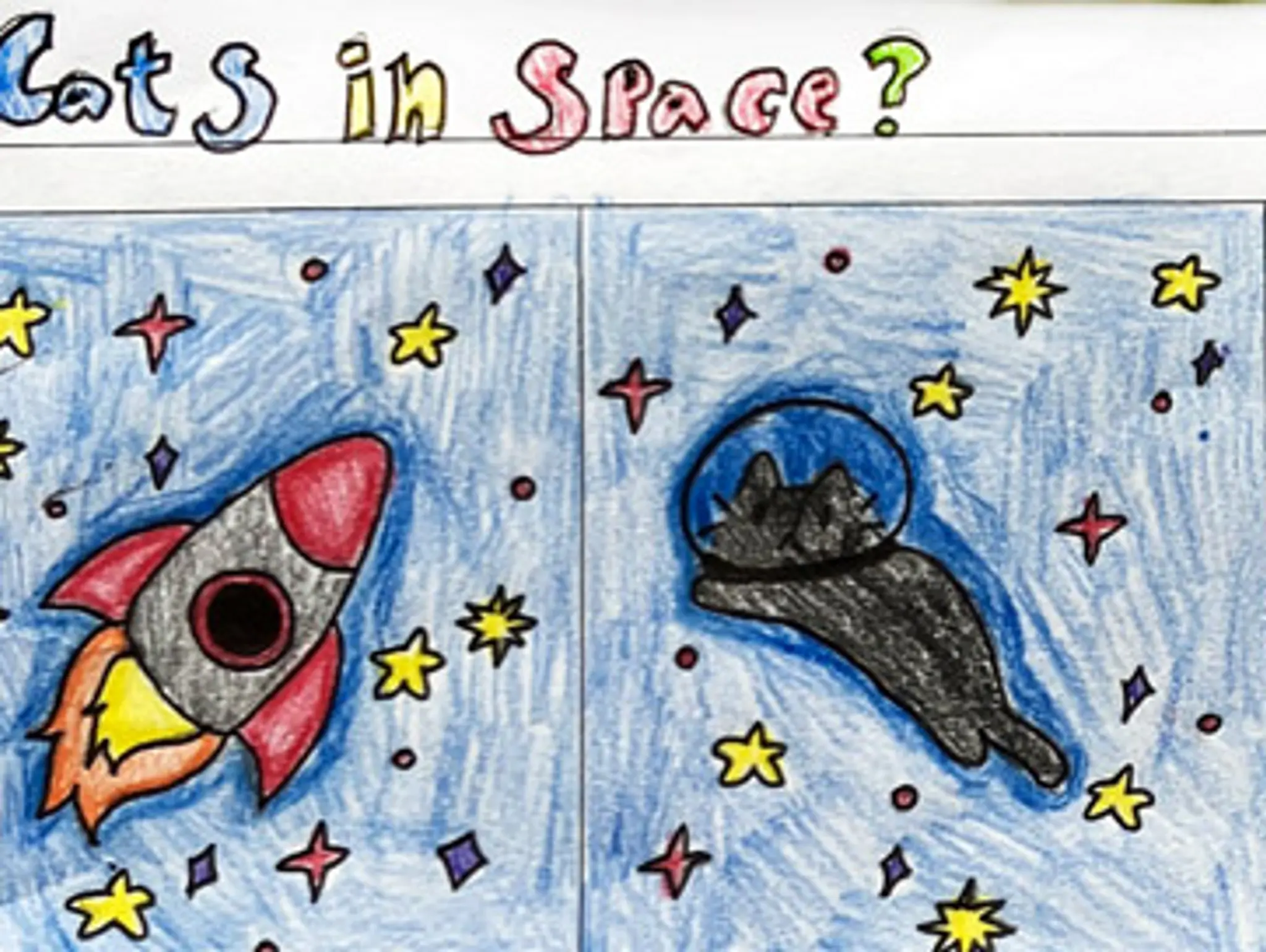
Middle-school students use cartooning to turn personal experiences and imaginative ideas into playful stories.
28 September 2026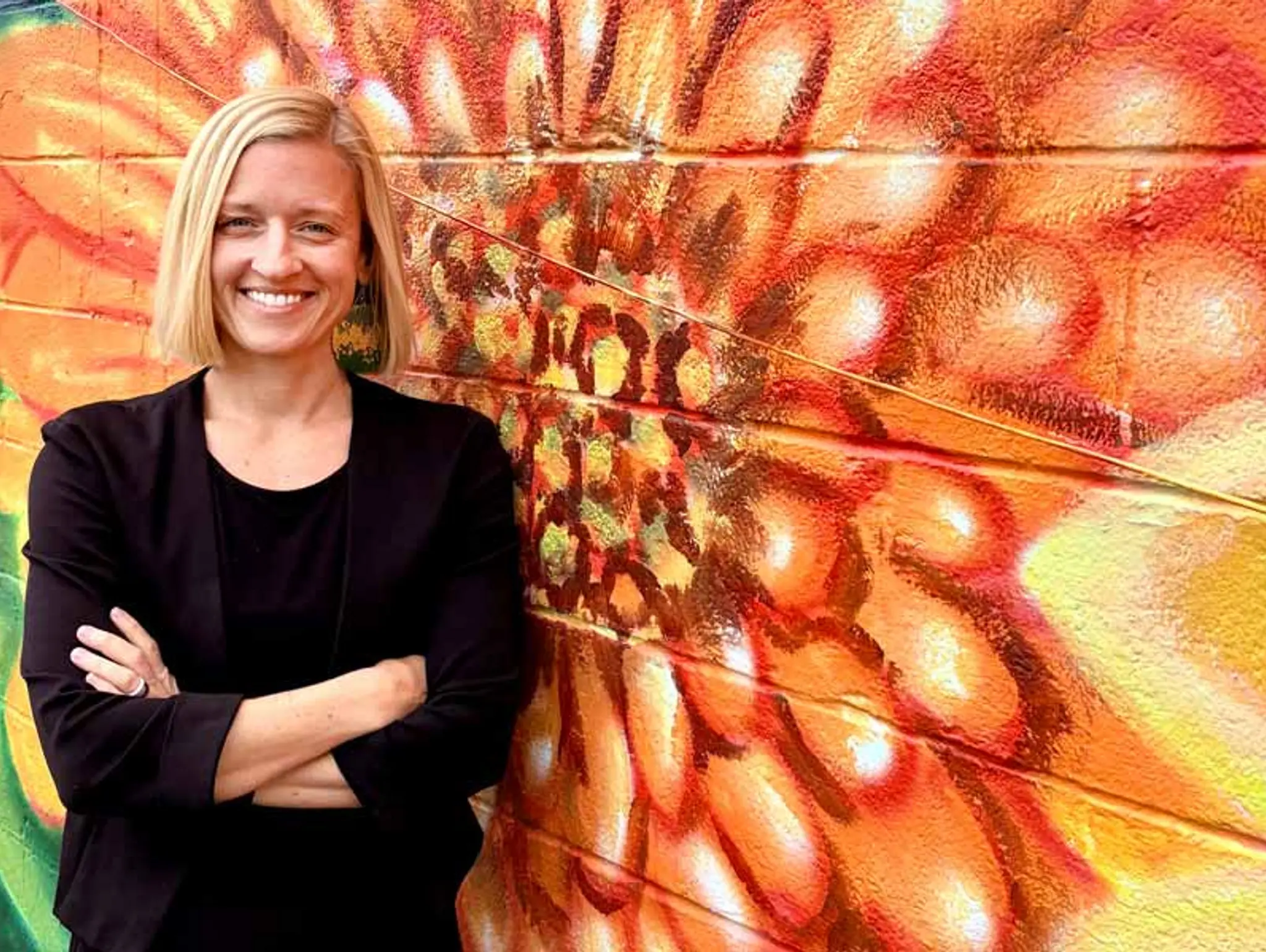
Dr. Leigh Drake discusses the power of visual narrative to transform the art-making process and help students see themselves as artists.
28 September 2026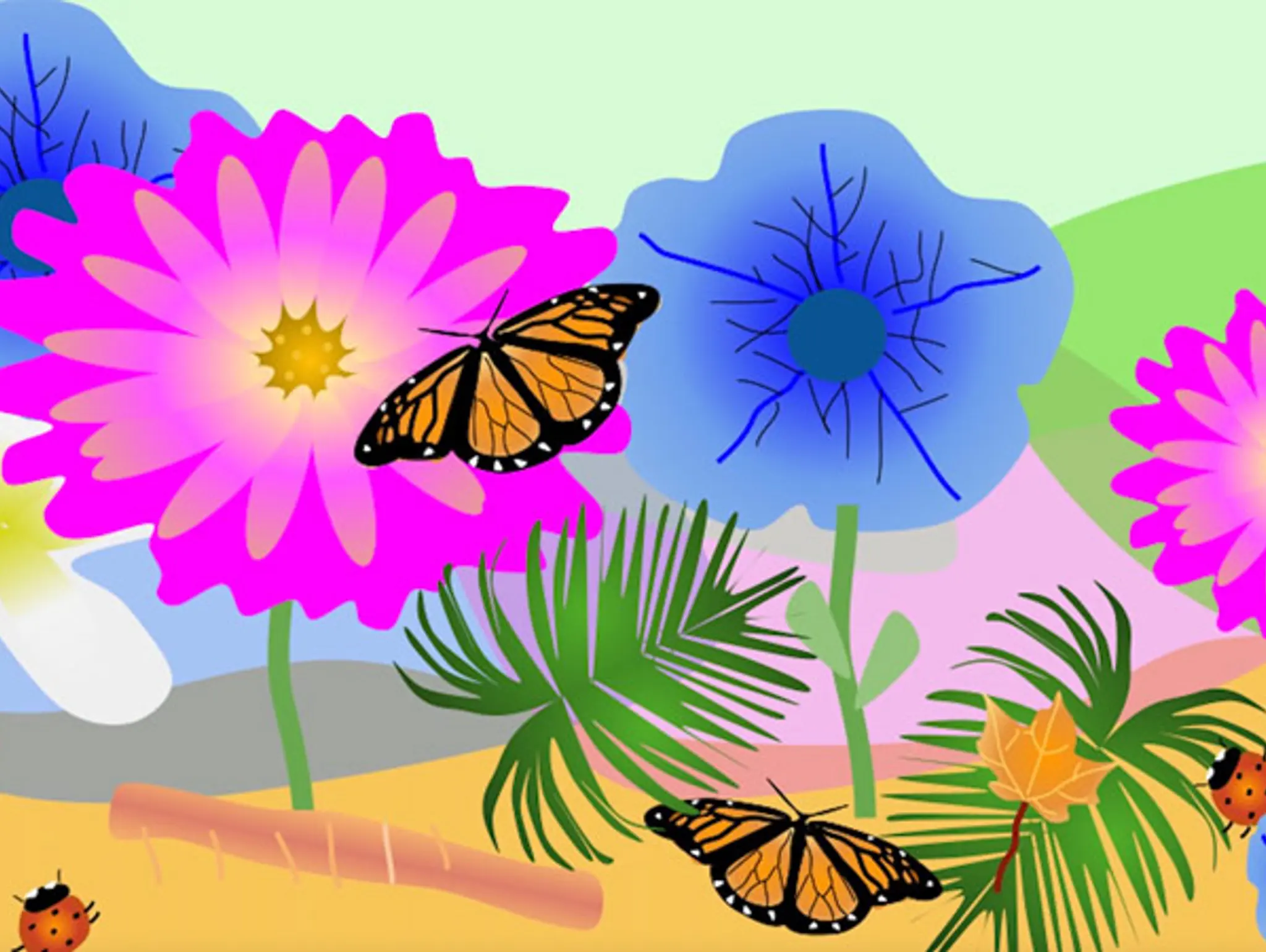
Middle-school students use Google Drawings to create unique secret gardens—imagined places filled with insects, flowers, animals, and more.
Media Arts, 27 May 2026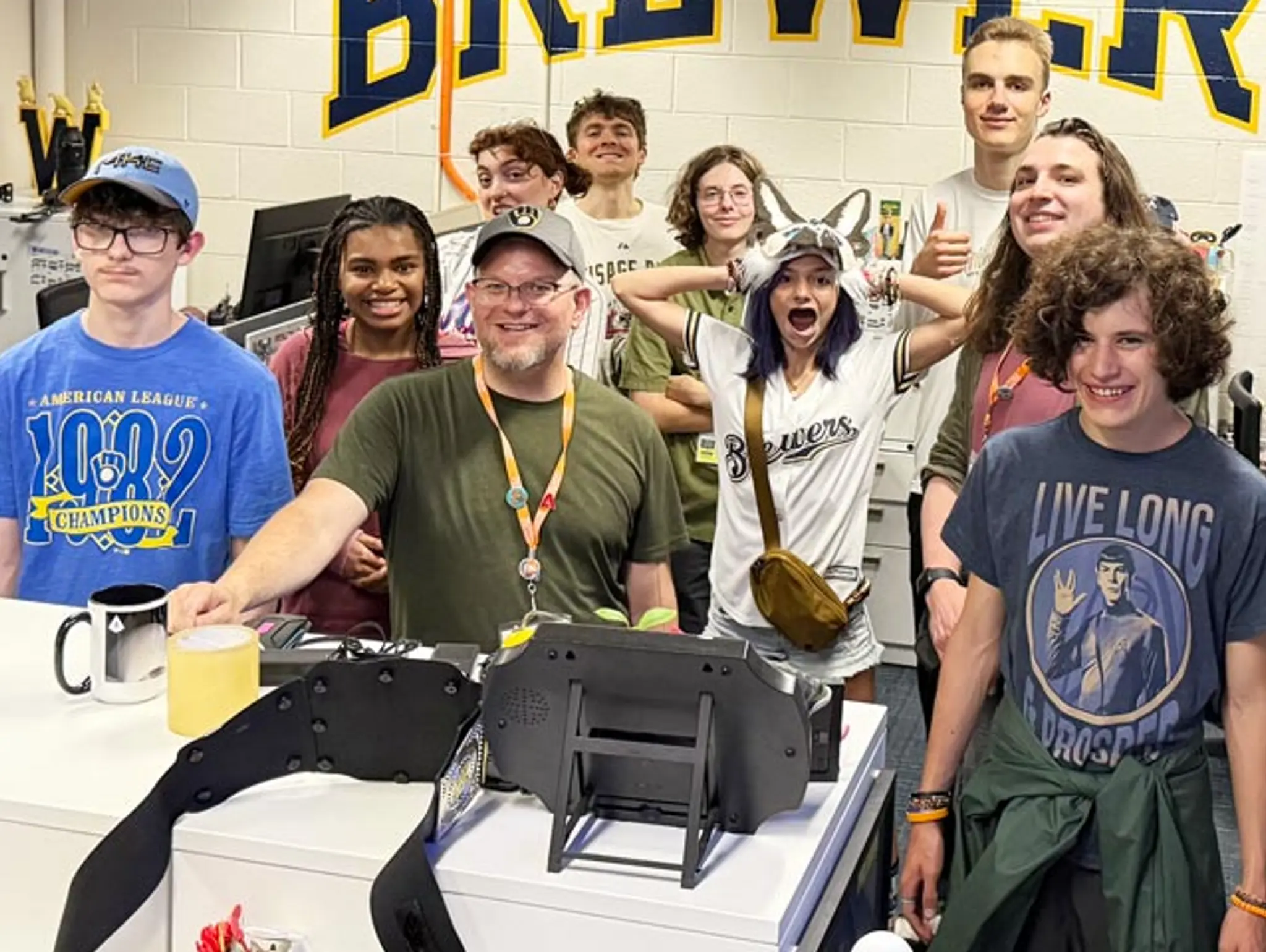
An arts education nonprofit offers technology-driven programs for autistic students, pairing them with industry professionals.
Media Arts, 1 May 2026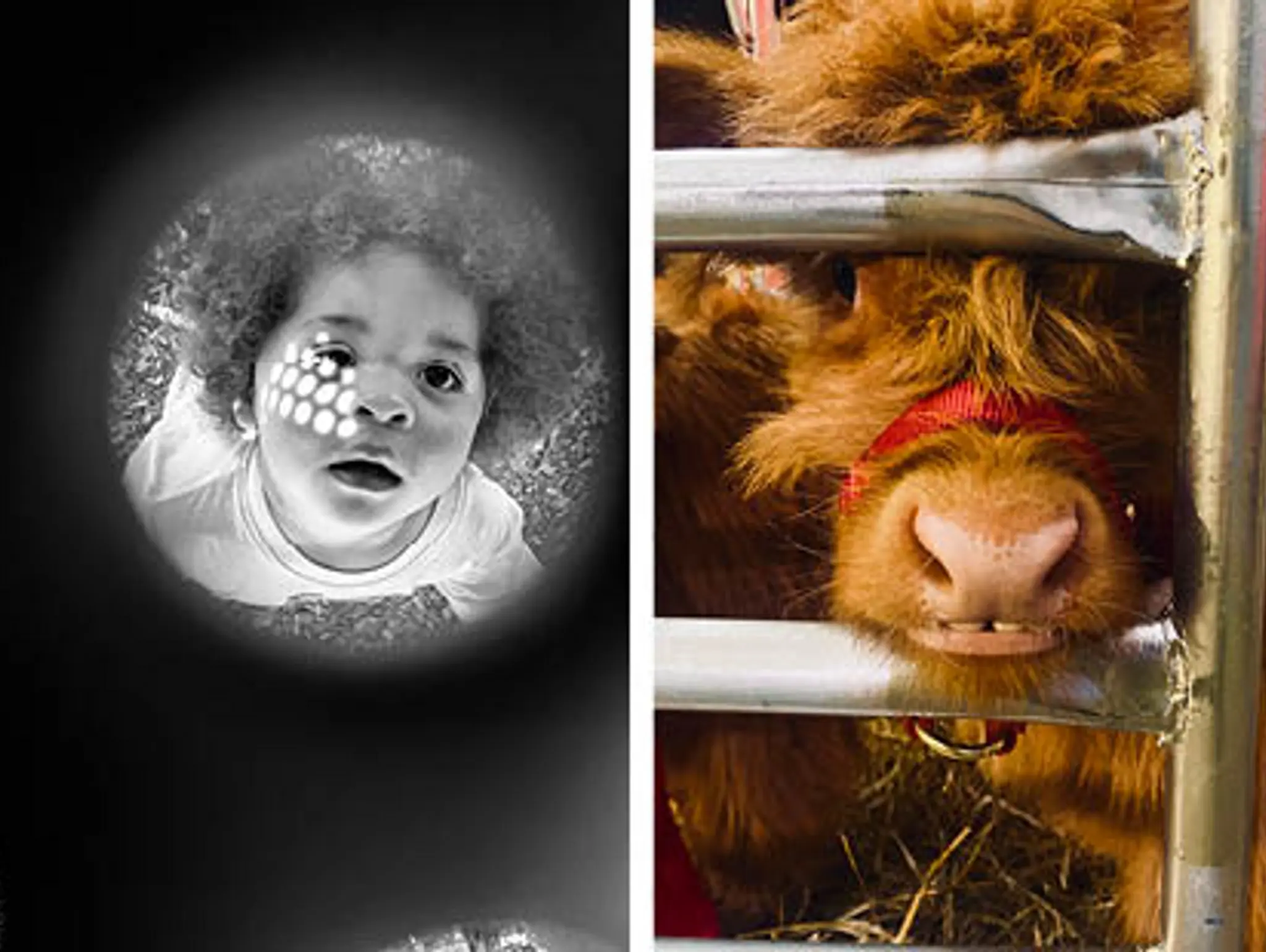
High-school students in Amanda Tutor’s photography club advocate for a full class, gaining skills and recognition far beyond the classroom.
Media Arts, 1 April 2026
High-school students transform traditional portraits into imaginative compositions inspired by surrealism and contemporary art.
Media Arts, 1 March 2026
Dr. Jane B. Montero defines media arts, shares how it fosters twenty-first century skills, and imagines where it could take us next.
Media Arts, 2 January 2026Dr. Leigh Drake discusses the power of visual narrative to transform the art-making process and help students see themselves as artists.
Contemporary Art, 28 September 2026Middle-school students use cartooning to turn personal experiences and imaginative ideas into playful stories.
Contemporary Art, 28 September 2026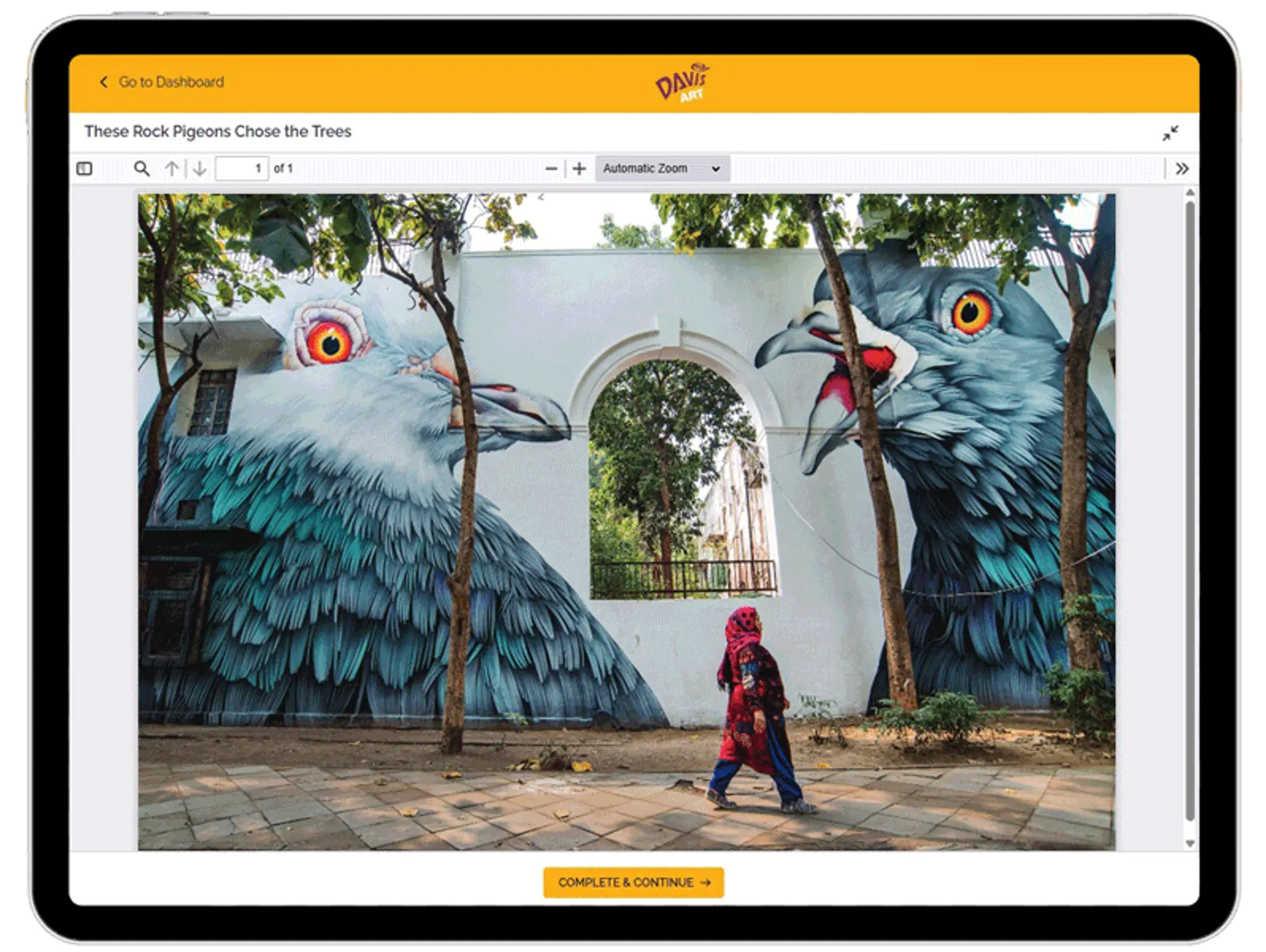
Explore Murals and Street Art Through a Dynamic Digital Image Collection. Bring today’s most compelling public art into your classroom with Engaging with Public Art, a digital image collection designed to help students connect with contemporary artists, explore meaningful ideas, and engage in thoughtful discussions about art and the world around them.
Contemporary Art, 28 September 2026High-school students explore their cultural identities and celebrate the San Fernando community through personalized 3D lowrider cars.
Contemporary Art, 28 September 2026Environmental artist Aurora Robson creates sculptures and installations that encourage viewers to reconsider plastic as an artistic material while raising awareness about plastic waste.
Contemporary Art, 28 September 2026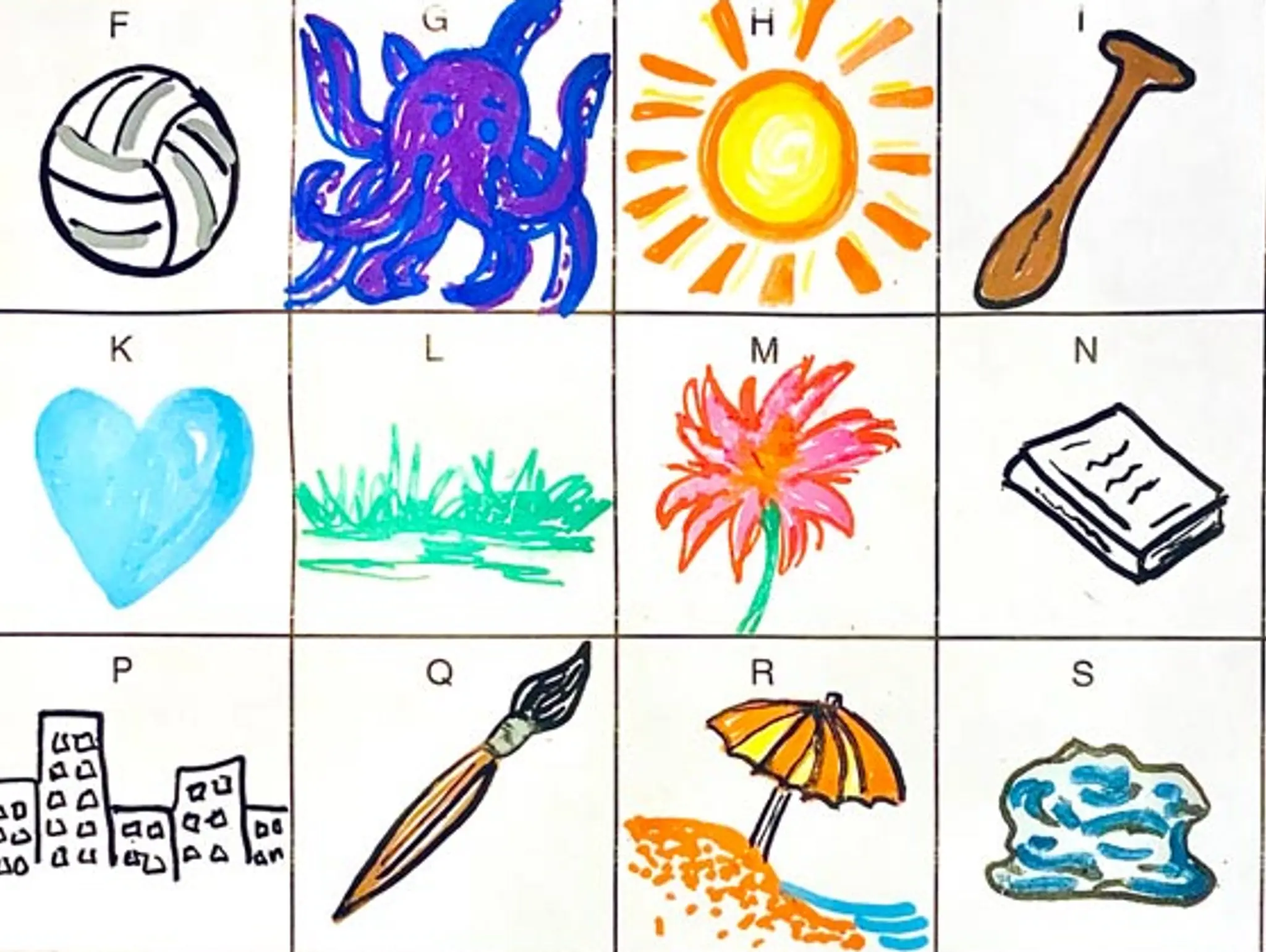
Elementary students draw on ancient Egyptian hieroglyphs and the icon-based artwork of Ryan McGinness to create their own system of symbols representing their identity.
Contemporary Art, 28 September 2026
Inspiring Creativity Since 1901