- All Categories
Grade Level
Early Childhood
Elementary
Middle School
High School
K-12
Area of Interest
Choice-Based
Contemporary Art
Media Arts
Advocacy
Interdisciplinary Connections
Adaptive Art
Assessment
Careers
Classroom Practice
Critique/Discussion
Equity, Diversity, and Inclusion
Ideation
Managing The Art Room
Meeting Individual Needs
Professional Development
Social Emotional Learning
STEAM
Therapeutic Practices
Theme
Collaboration
Celebration
Communication
Community
Design
Emotions
History
Humor
Identity
Imagination
Language
Messages
Mindfulness
Nature
Observation
Place
Play
Stories
Sustainability
Transformation
Understanding
Art Form
Altered Book
Animation
Architecture
Assemblage
Ceramics
Collage
Comic Art
Drawing
Environmental Art
Fashion Design
Graphic Design
Installation
Jewelry Making
Media Arts
Murals
Painting
Performance Art
Photography
Printmaking
Sculpture
Street/Public Art
Zines
Media
Cardboard
Charcoal
Clay
Colored Pencils
Crayons
Digital
Graphite
Found Objects
Ink
Markers
Metals
Mixed-Media
Natural Objects
Paint
Paper
Papier Maché
Pastels
Recycled Objects
Sketchbook / Visual Journal
Tape
Textiles
Wood
SchoolArts editor-in-chief Frank Juárez reflects on storytelling as a way to encourage student agency and strengthen classroom connections.
The #1 kiln used in schools. Kids Need Clay helps schools start and sustain ceramics programs with full support.

Dr. Leigh Drake discusses the power of visual narrative to transform the art-making process and help students see themselves as artists.

Middle-school students use cartooning to turn personal experiences and imaginative ideas into playful stories.
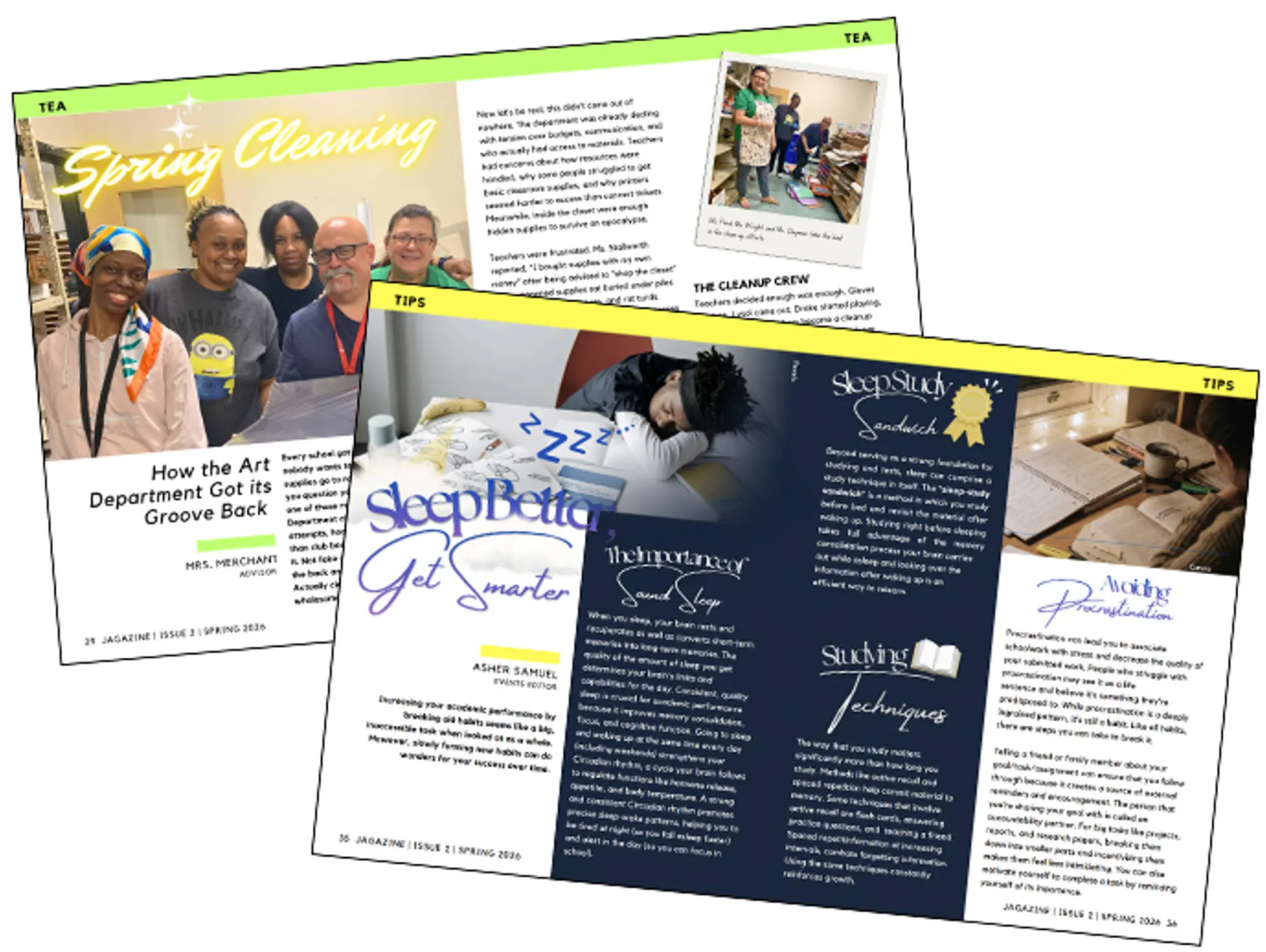
A literary publication advisor shares how storytelling and authentic opportunities help students build confidence and discover their unique voices.

Explore Murals and Street Art Through a Dynamic Digital Image Collection. Bring today’s most compelling public art into your classroom with Engaging with Public Art, a digital image collection designed to help students connect with contemporary artists, explore meaningful ideas, and engage in thoughtful discussions about art and the world around them.
As a leading art supply company, we provide artists, educators, students, and our associates with the tools, assistance, and training needed to grow, innovate, and reach their creative potential. BLICK Art Materials is family-owned and serving artists since 1911.

High-school students explore their cultural identities and celebrate the San Fernando community through personalized 3D lowrider cars.

Environmental artist Aurora Robson creates sculptures and installations that encourage viewers to reconsider plastic as an artistic material while raising awareness about plastic waste.
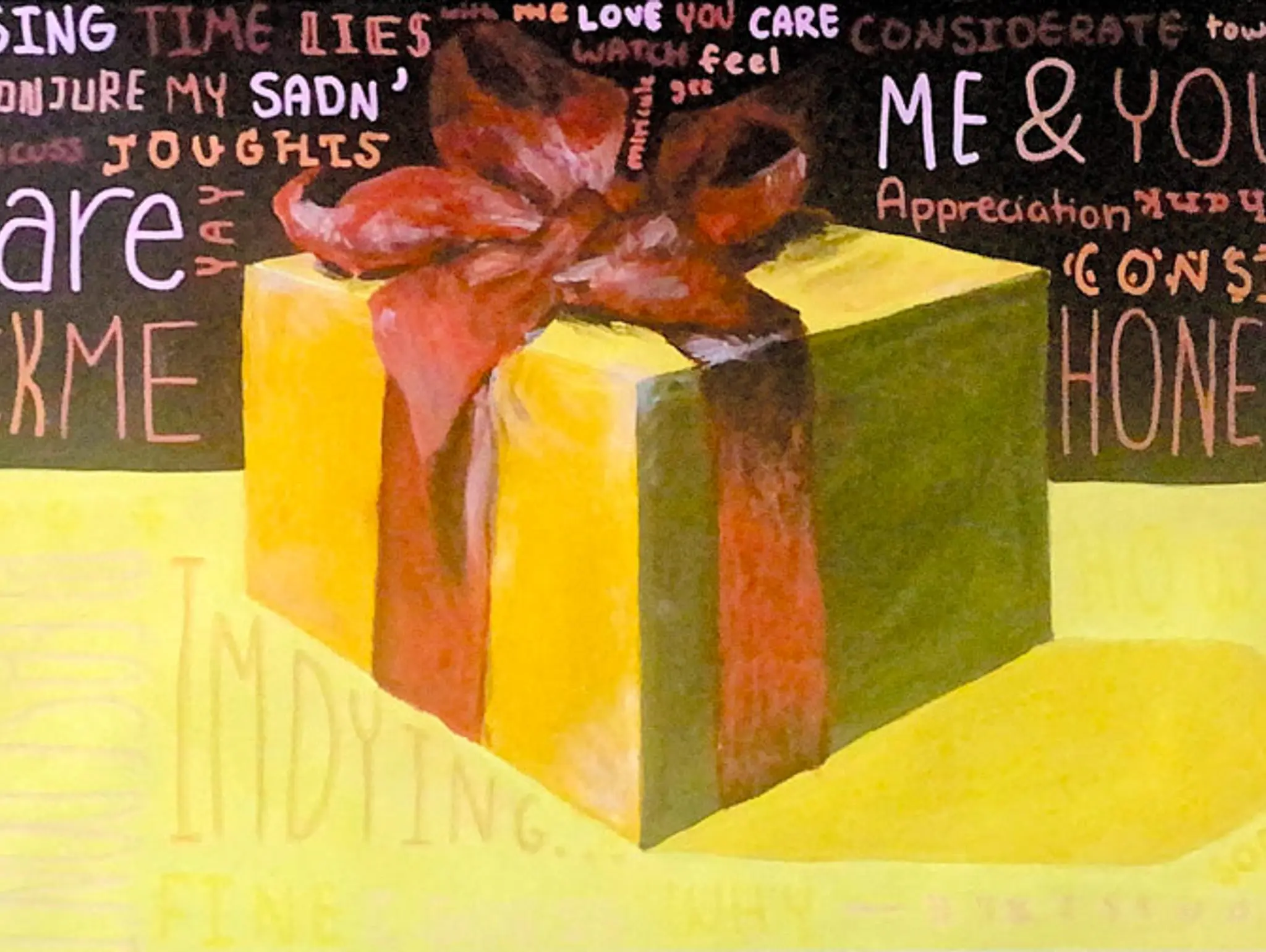
Middle-school students take inspiration from Shel Silverstein's The Giving Tree and transform a painted cube into a meaningful gift through reflective writing.
The General Pencil Company is a historic, family-owned American manufacturer based in Jersey City, New Jersey, that has been handcrafting traditional wood pencils and fine art supplies since 1889.
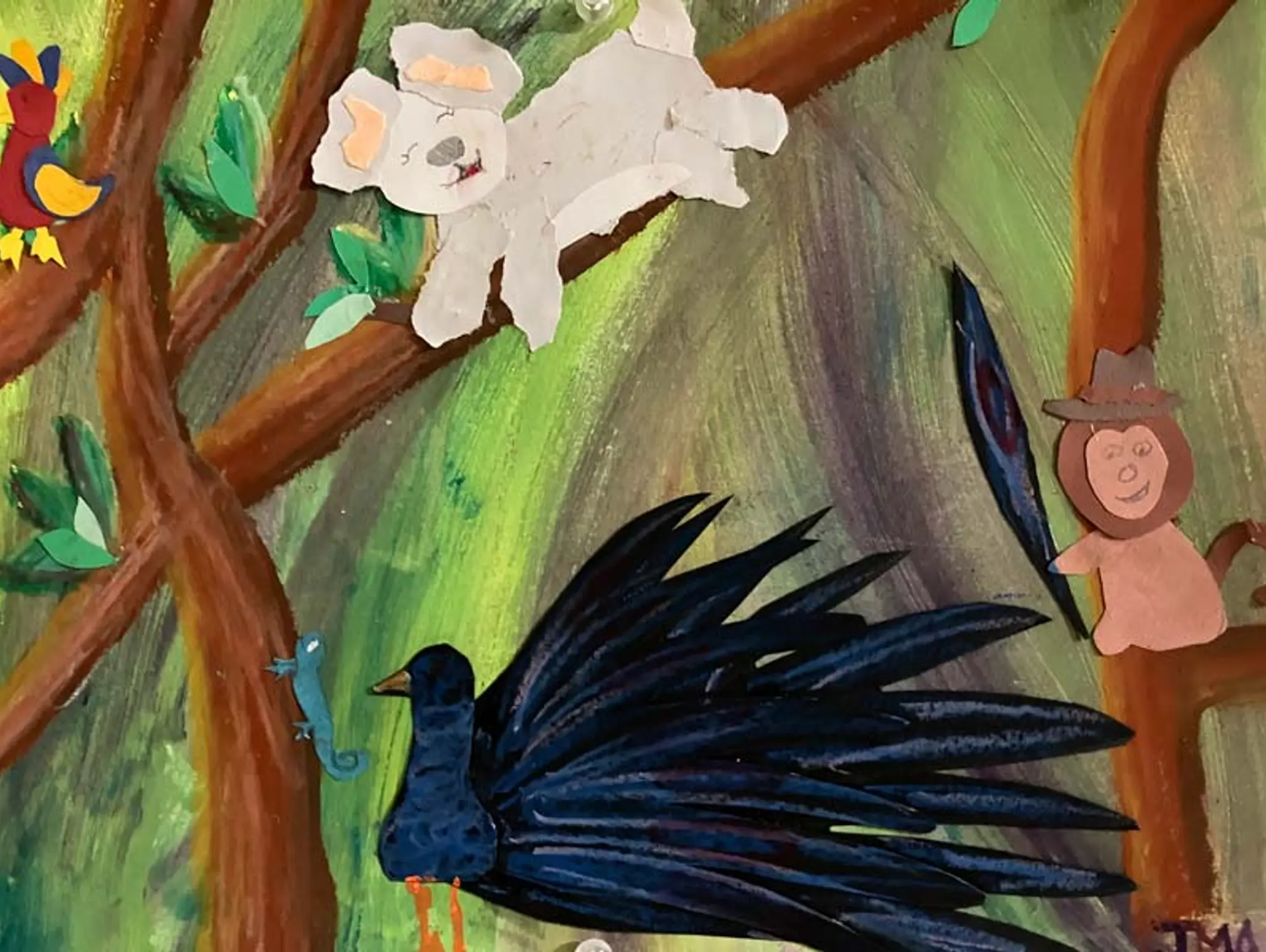
Middle-school students draw an animal and incorporate it into the foreground or middle ground of a painted jungle.

SchoolArts Magazine
Inspiring Creativity Since 1901